Low Ride Logic

Caleb Ryan
| 25-06-2026
 · Vehicle Team
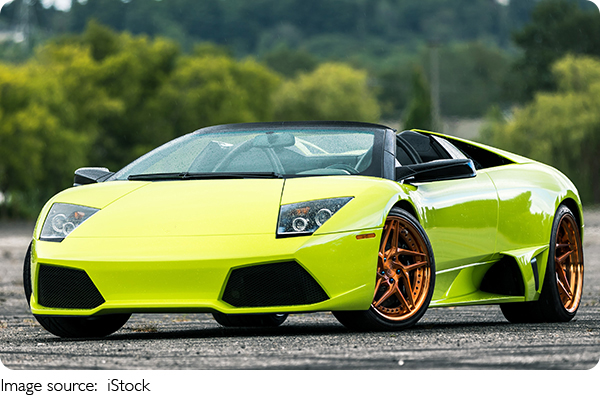
Lykkers, have you ever noticed how sports cars almost hug the ground when they pass by?
It is not just a design style. It is a carefully engineered decision that improves speed, stability, and overall driving control.
When we look closer, the low ride height is directly connected to airflow efficiency, balance, and vehicle response at different speeds. Every detail is designed with performance in mind.
Reduced Air Resistance for Efficiency
One of the main reasons for a low ride height is to reduce air resistance. When a vehicle sits closer to the road, less air gets trapped underneath it. This allows the vehicle to move more smoothly through the air.
With lower resistance, energy is used more efficiently, helping the vehicle maintain speed with less drag. The body shape works with airflow to improve movement, especially at higher speeds.
Downforce for Better Grip
Another key factor is downforce, which is the aerodynamic force that pushes the vehicle downward as air flows over it.
This increased downward force improves tire grip and keeps the vehicle more stable during acceleration, braking, and cornering. It allows the tires to maintain stronger contact with the road surface, improving control.
Low Center of Gravity for Stability
A low ride height also creates a lower center of gravity. This means the vehicle’s weight is closer to the ground, reducing body roll during sharp turns.
As a result, the vehicle feels more stable and responsive, especially when changing direction at higher speeds.
Performance Trade-Offs
While this design improves performance, it can reduce comfort. A firm suspension setup is often used, making road bumps more noticeable.
The focus is placed on handling precision rather than long-distance comfort. This makes the driving experience more engaging but less relaxed on uneven roads.
Energy and Maintenance Considerations
High-performance vehicles with low ride designs often require stronger engines, which can increase fuel consumption compared to everyday vehicles.
Proper maintenance and correct fuel selection are important to ensure efficiency and long-term engine reliability.
Long-Term Value Factors
Performance-focused vehicles may experience faster changes in resale value depending on usage and maintenance history.
However, for many drivers, the main value lies in driving experience, precision, and control rather than long-term ownership cost.

The low ride design is a balance of aerodynamics, stability, and precision engineering. It allows sports cars to achieve high performance while maintaining strong control on the road.
Next time you see a low vehicle passing by, you can appreciate how every detail is designed to enhance speed, grip, and driving confidence.