Takamatsu: Gateway Energy
Naveen Kumar
| 08-06-2026
 · Travel Team
Friends, ready to meet Shikoku’s biggest city? Takamatsu fuses a breezy port, refined gardens, glossy shopping arcades, and easy isle day trips.
It’s nicknamed the “Gateway of Shikoku” for good reason—fast ferries, quick trains, and compact neighborhoods make planning simple. Here’s a precise, price-aware guide to squeeze the most from every hour.
Why Go
Expect coastal views, a celebrated landscape garden, lively summer events, and daytrips to art-covered islands. Food-wise, the city is synonymous with silky, springy noodles served hot or cold. With flat terrain and clear signage, Takamatsu works beautifully for first-timers to Japan.
Getting There
From Okayama, JR trains reach Takamatsu in ~55 minutes ($12–$18). From Osaka, allow ~2.5 hours ($30–$45). Takamatsu Airport sits ~40 minutes by airport bus to the center ($7–$10). Local buses cost ~$1–$2 a ride; 1-day passes hover around $6–$8. Taxis within downtown typically run $6–$12.
Ritsurin Garden
A crown jewel with sculpted pines, reflective ponds, and curved bridges, Ritsurin Garden rewards an unhurried loop. Entry commonly costs $3–$6; consider a 30-minute boat tour on the south pond ($6–$8). Pause at a teahouse for matcha and sweets ($5–$7). Plan 90–120 minutes, and come early for soft light.
Udon Quest
Kagawa Prefecture is famed for thick, chewy udon. Try kake (hot broth), kitsune (sweet tofu topping), tempura-topped bowls, or zaru (cold noodles with dipping sauce). Many shops open early and close when sold out. Expect $3–$6 for a standard bowl; add-ons (egg, vegetable tempura) run $1–$2 each.
Tamamo Park
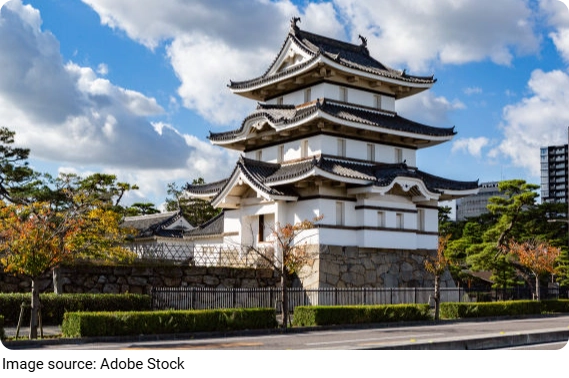
Built on the former castle grounds, Tamamo Park blends moats, stone walls, and breezy lawns near the sea. Entry is typically $2–$4. Spring brings blossoms; summers add shade and easy picnics. Exhibits in small halls explain the site’s past. Allow 45–60 minutes before strolling the nearby waterfront.
Castle Remnants
Within Tamamo Park, the surviving inner moat—filled with seawater—hints at the castle’s maritime defenses. Restoration continues, so expect occasional closures around work zones. Even so, angled stonework and turret outlines offer strong photo angles, especially just after sunrise or before dusk.
Art Stop
Takamatsu City Museum of Art (downtown) showcases rotating modern and contemporary shows plus regional collections. General admission often falls between $3–$6; special exhibitions can cost a bit more. The building sits steps from cafés and the covered arcades, perfect for pairing culture with a relaxed break.
Naoshima Daytrip
Ferrries from Takamatsu Port reach Naoshima in ~50–60 minutes ($10–$18 round trip). The island mixes museums and large-scale outdoor works dotted along beaches and lanes. Rent a bike near the pier ($8–$12/day) or use the local bus. Reserve museum entries in advance during busy months; bring sun protection.
Symbol Tower
The tallest building in Shikoku offers wide harbor views from its upper levels. Expect free or low-cost access to observation floors depending on the program of the day; the on-site mall has eateries and shops. Go near sunset for glowing water and silhouettes of ferries sliding across the bay.
Shop Arcades
Takamatsu’s covered shotengai stretch for blocks—excellent in any weather. Hunt for home goods, stationery, ceramics, and fashion. Frequent noodle counters and dessert stands make snacking easy. Budget $10–$15 for a filling street-food lunch. Most stores open late morning and run into the evening.
Folk Museum
Inside Ritsurin Garden, the Sanuki Folkcraft Museum highlights regional craftwork—lacquer, textiles, and daily tools—linked to past lifestyles. Expect a compact, well-labeled experience (some English), usually included with or priced similarly to garden entry. It’s a smart, 20–30 minute add-on to the garden loop.
Yashima Views
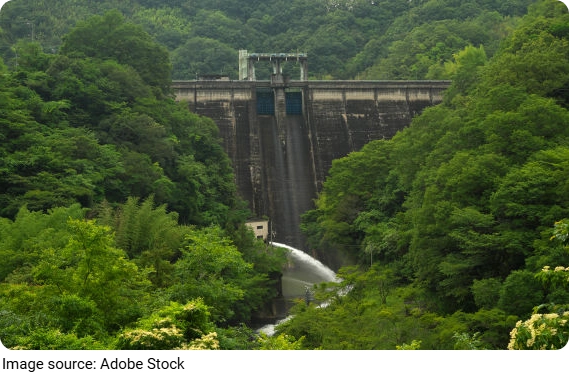
Ten minutes by local train or ~20 minutes by bus, Yashima delivers wide panoramas of the Seto Inland Sea. A short walk from the transport stop leads to lookouts and an aquarium. Plan 60–90 minutes on the plateau paths; bring a light layer—ocean breezes can be brisk even on warm days.
Mt. Yashima
Festivals
August’s Sanuki Takamatsu Festival fills central parks and promenades with dance, music, and one night of fireworks. Entry to street events is free; arrive early for viewing spots and carry small bills for food stalls ($3–$8 per item). In winter, city streets glow with seasonal light displays across the core.
Grill Stop
Balance all those noodles with a casual grilled spread. Many spots serve set menus with assorted bites, rice, soup, and pickles ($10–$18 at lunch; $15–$28 at dinner). Portions are share-friendly, and most venues provide multilingual picture menus. Reserve on weekends or arrive early to avoid queues.
Stay & Move
Near the port and arcades, business hotels run ~$45–$85 per night, often with compact rooms and breakfast options. Design hotels and larger rooms trend $90–$150. City buses and your feet will do most of the work; bike rentals appear seasonally near the waterfront ($8–$12/day) with basic locks included.
Sample Day
Morning: Ritsurin Garden stroll, boat ride, and teahouse pause.
Midday: Udon lunch in the arcades; quick browse of shops.
Afternoon: Ferry to Naoshima for outdoor art and a seaside loop.
Evening: Symbol Tower viewpoints, then a simple grilled dinner back downtown.
Takamatsu shines when you mix garden calm, noodle stops, and island art into one rhythm. Which pairing suits your style—moats and markets, or viewpoints and ferries? Share your plan and any savings hacks so fellow Lykkers can fine-tune their own Shikoku kickoff.